
Top Things to Do in Morocco: Explore the Ait Ben Haddou Kasbah
If you are plotting out the ultimate list of things to do in Morocco, a journey into the country's cinematic and historical past is essential. Standing proudly on the edge of the High Atlas Mountains, just a short drive from the city of Ouarzazate, lies the magnificent Ait Ben Haddou Kasbah. This ancient, fortified village (ksar) is one of the most iconic and well-preserved examples of earthen clay architecture in the world, offering visitors a breathtaking window into Morocco's rich heritage.
A UNESCO World Heritage Masterpiece
Designated as a UNESCO World Heritage site in 1987, Ait Ben Haddou is a striking example of traditional southern Moroccan architecture. Historically, it served as a crucial trading post along the former caravan route that linked the Sahara Desert to the city of Marrakech. Traders carrying gold, silver, salt, and spices would stop here to rest and trade before undertaking the perilous journey across the Atlas Mountains.
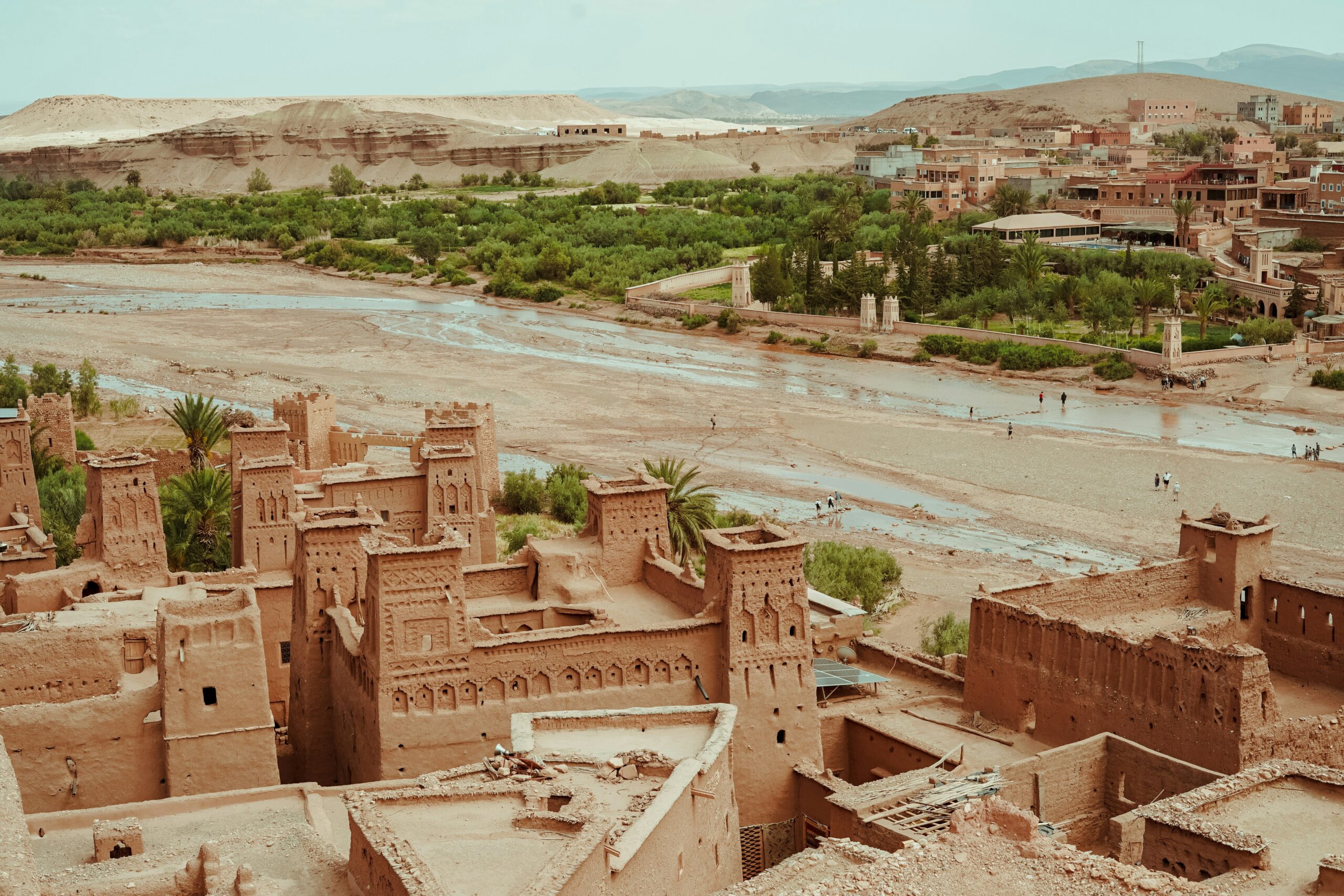
The ksar is entirely constructed from rammed earth, adobe, clay, and wood. Its towering, crenellated walls and geometric motifs are designed not only for defense but also to keep the interiors cool under the blazing African sun. Walking through its narrow, winding alleys, you can almost hear the echoes of ancient merchants and travelers.
The Hollywood of Africa
Even if you have never been to Morocco, there is a very high chance you have seen Ait Ben Haddou. Thanks to its dramatic, unspoiled appearance, the kasbah has served as a backdrop for dozens of major Hollywood blockbusters and television series. It is often referred to as the "Hollywood of Africa."
Epic films such as Gladiator, Lawrence of Arabia, The Mummy, and Kingdom of Heaven were all filmed within or around these ancient mud-brick walls. More recently, it gained massive popularity as the filming location for the city of Yunkai in the hit series Game of Thrones. Exploring the kasbah feels like walking onto a living movie set, making it an absolute must-visit for film buffs and history enthusiasts alike.
Exploring the Mud-Brick Architecture
While the kasbah looks like a massive fortress from afar, it is actually a collection of multiple dwellings (kasbahs) packed tightly together within defensive walls. Today, only a handful of families still live within the ancient ksar, as most of the population has moved to the more modern village across the Ounila River.
Visitors can cross the river—either via the modern bridge or by hopping across stepping stones when the water is low—and climb through the labyrinthine streets. The ultimate goal is to reach the granary (agadir) at the very top of the hill. The climb is well worth the effort, as the summit offers spectacular, panoramic views of the surrounding palm groves, the stark desert landscape, and the snow-capped peaks of the High Atlas Mountains in the distance.
The Gateway to the Sahara Desert
Ait Ben Haddou is strategically located along the "Route of a Thousand Kasbahs," making it a perfect, natural stopover for travelers heading from the imperial cities into the deep south. If you are embarking on a tour from Marrakech, the drive over the winding Tizi n'Tichka pass will lead you directly to this historic site.
Furthermore, it is a staple highlight on almost every desert itinerary. Whether you are taking a comprehensive grand tour or a focused 3 Days Desert Merzouga trip, exploring Ait Ben Haddou provides the perfect historical context before you venture further into the Sahara dunes.
Ready to step onto a living movie set? Driver In Africa offers expertly guided tours that include the magnificent Ait Ben Haddou Kasbah. Let our professional drivers navigate the Atlas Mountains while you sit back and prepare to explore Morocco's most famous fortress. Contact us today to add this UNESCO World Heritage site to your Moroccan adventure!