
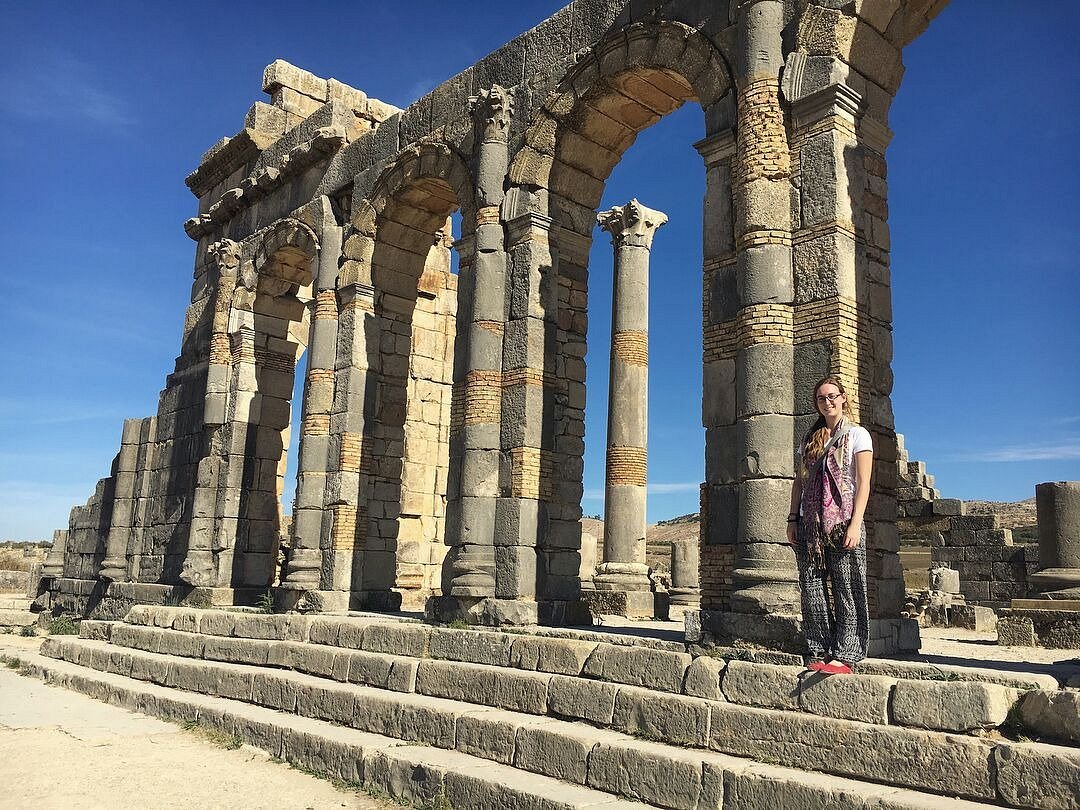
When most people think of Morocco, their minds immediately drift to the bustling souks, the vast Sahara Desert, and the iconic, cone-shaped clay pots known as tagines. While eating a slow-cooked tagine is an absolute must, the true magic of Morocco lies in its deep, rich, and welcoming culture.
To truly understand this North African kingdom, you have to look past the standard tourist checklists. You have to engage with the people, participate in their daily rituals, and step into spaces where history is still lived every single day. If you are booking one of our custom Morocco tours, here are five authentic cultural experiences you absolutely must add to your itinerary.
1. The Cleansing Ritual of the Traditional Hammam
You cannot say you have fully experienced Morocco until you have visited a hammam (public bathhouse). For centuries, the hammam has been a cornerstone of Moroccan community life. Because many ancient homes did not have private bathrooms with hot water, locals would gather at the neighborhood hammam to bathe, gossip, and socialize.
Today, you have two options: the local public hammam or a private, spa-style hammam in a luxury riad. While the spa version is more relaxing, the process is similar. You will be led into a hot, steamy room where your pores will open. An attendant (a kessal) will coat your skin in savon noir—a thick, dark soap made from macerated olives and eucalyptus. After letting it sit, they will vigorously scrub you down with a rough kessa glove.
2. Sharing Mint Tea with a Nomad Family
Moroccan mint tea, affectionately known as "Moroccan Whiskey," is much more than a beverage; it is a symbol of hospitality, friendship, and tradition. The ritual of preparing and pouring the tea (always from a height to create a frothy crown) is an art form.
While you will drink tea everywhere in Morocco, the most profound way to experience it is by sharing a pot with a nomadic Berber family. During our desert tours from Marrakech, our drivers often take guests off-road into the High Atlas Mountains or the edges of the Sahara to visit families living in traditional caves or woven goat-hair tents. Sitting on a hand-woven rug, communicating through smiles and the translation of your guide, and sharing hot, sweet tea in the middle of the wilderness is a deeply moving experience.
3. A Hands-On Moroccan Cooking Class
Eating Moroccan food is wonderful, but learning to cook it unlocks the secrets of the culture. Moroccan cuisine is a complex blend of Berber, Arab, Andalusian, and Mediterranean influences, relying heavily on intricate spice blends like Ras el Hanout.
A proper cooking class usually starts outside the kitchen. You will accompany a local chef (often a "Dada," a traditional Moroccan female chef) to the local souk. Here, you will learn how to select the freshest vegetables, haggle for spices, and pick the right cuts of meat. Back in the riad, you will learn the slow, deliberate techniques required to build flavor in a tagine, how to properly steam couscous (it takes hours, not minutes!), and how to fold delicate briouat pastries. The best part? You get to eat your masterpiece at the end.
4. Staying in a Traditional Riad
Skip the large, western-style chain hotels. To experience true Moroccan living, you must stay in a riad or a dar.
A riad is a traditional Moroccan house or palace with an interior garden or courtyard. From the outside, located in the winding, chaotic alleys of the medina, a riad looks like nothing more than a blank clay wall with a heavy wooden door. But step inside, and you are transported into a tranquil oasis.
The architecture is designed to reflect the Islamic concept of paradise: inward-facing, private, and centered around water (usually a fountain or small pool) and greenery. Waking up to the sound of birds in the courtyard, eating breakfast on the rooftop terrace while listening to the call to prayer, and experiencing the incredible hospitality of the riad staff is an essential cultural immersion.
5. Exploring the Artisan Souks (With a Purpose)
It is easy to get lost in the souks of Fes or Marrakech and view them merely as shopping destinations. However, these markets are actually living, breathing workshops where ancient crafts are still practiced exactly as they were centuries ago.
Instead of just buying souvenirs, take the time to watch the artisans at work. In Fes, visit the Chouara Tannery to see men treating and dyeing leather in massive stone vats using pigeon droppings and natural dyes like saffron and indigo. In Marrakech, wander into the blacksmiths' souk to watch men hand-forging intricate lanterns, or observe weavers operating massive wooden looms to create beautiful agave-silk blankets.
Pro Tip: Having a private local guide ensures you get to see the authentic workshops hidden deep in the medina, rather than just the tourist-facing storefronts.
Let Us Show You the Real Morocco
At Driver In Africa, we believe that travel should be transformative. We don't just drive you from point A to point B; we open doors to authentic experiences that connect you with the heart of our country.
Whether you want to bake bread in a communal oven, hike to remote Berber villages, or simply learn the art of haggling in the souk, our local drivers and guides are your bridge to the real Morocco.
Experience the Culture with Us
Let our local experts design the perfect itinerary filled with authentic cultural encounters. We handle the logistics so you can focus on the experience.
Plan Your Custom Trip