
Top Things to Do in Morocco: A Guide to Hiking in the Atlas Mountains
When travelers search for the best things to do in Morocco, their minds often drift to the bustling souks of Marrakech, the ancient medinas of Fes, or the golden dunes of the Sahara Desert. However, Morocco is a land of dramatic geographical contrasts, and one of its most breathtaking features is the majestic Atlas Mountain range. For outdoor enthusiasts, nature lovers, and those seeking authentic cultural encounters, hiking in the Atlas Mountains is an absolute must-do experience that offers a completely different perspective of this beautiful North African country.
Discovering the High Atlas Mountains
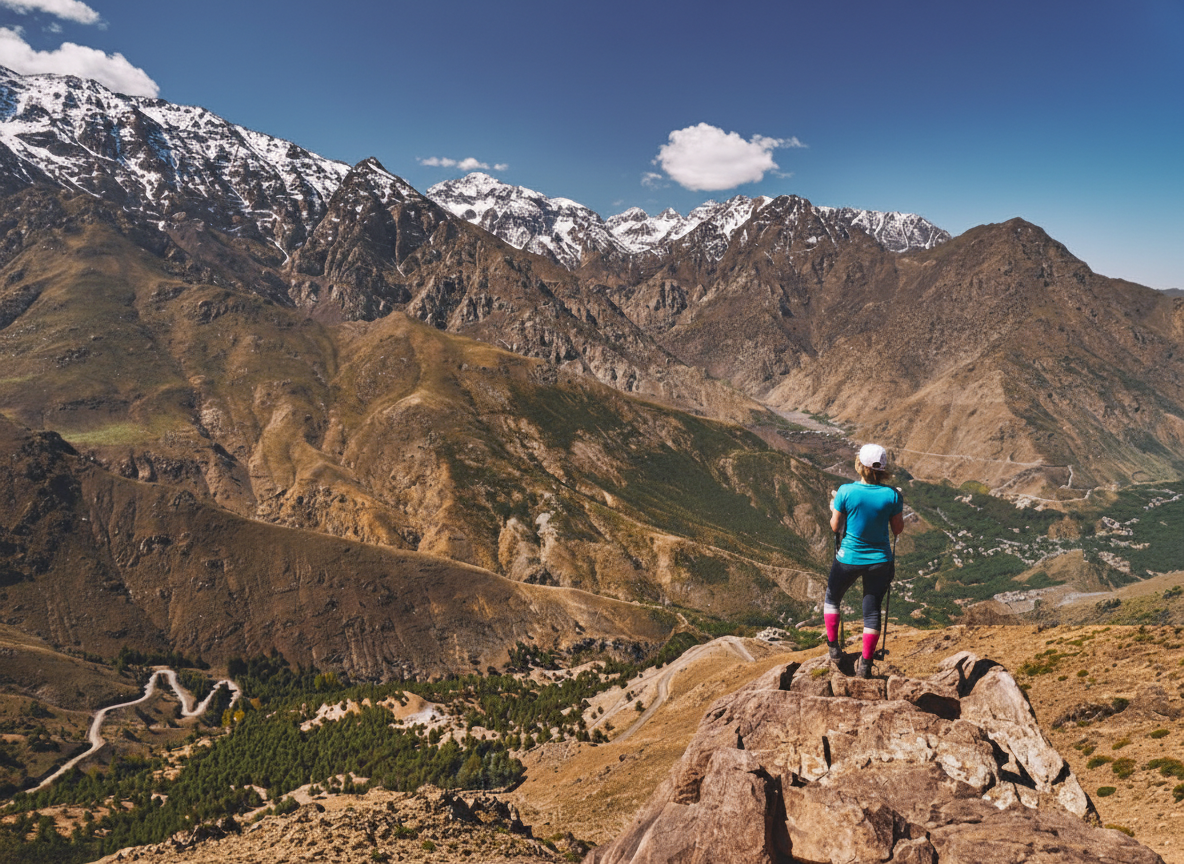
The Atlas Mountains stretch across northwestern Africa, but the most dramatic and accessible section—the High Atlas—is located right in the heart of Morocco. Often referred to as the "Roof of North Africa," this formidable mountain range features snow-capped peaks, deep lush valleys, terraced agricultural fields, and traditional mud-brick villages that seem to cling impossibly to the steep mountainsides.
The crown jewel of the High Atlas is Mount Toubkal (Jebel Toubkal), which stands at a towering 4,167 meters (13,671 feet), making it the highest peak in the Arab world and North Africa. The beauty of the High Atlas is its accessibility; the foothills and major trailheads are located just a short drive from the vibrant "Red City," making it a perfect addition to any tour from Marrakech.
Why Hiking in Morocco is a Unique Experience
Trekking in the Atlas Mountains is not just about physical endurance and stunning alpine scenery; it is a deeply cultural journey. Unlike many remote mountain ranges around the world, the High Atlas is heavily populated by the indigenous Berber (Amazigh) people. These resilient communities have lived in these high-altitude valleys for centuries, maintaining a traditional way of life that revolves around agriculture and herding.
As you hike through the valleys of Imlil, Ourika, or Ouirgane, your trails will intersect with ancient mule tracks connecting remote villages. You will pass by walnut groves, cherry orchards, and terraced fields of barley. The legendary hospitality of the Berber people is a highlight of any trek. It is incredibly common to be invited into a local home for a glass of sweet mint tea and freshly baked bread, offering a genuine glimpse into a lifestyle that has remained largely unchanged for generations.
Popular Trekking Routes and Destinations
Whether you are looking for a gentle day walk or a multi-day alpine expedition, the Atlas Mountains have a trail for every fitness level.
1. The Mount Toubkal Ascent
For the adventurous, summiting Mount Toubkal is a major bucket-list achievement. The trek typically takes two to three days, starting from the village of Imlil. While the altitude makes it challenging, it is a non-technical climb during the warmer months, meaning no ropes or climbing experience are required. The panoramic views from the summit at sunrise—stretching all the way to the Sahara Desert on a clear day—are simply unforgettable.
2. The Imlil Valley and Surrounds
If you prefer a less strenuous experience, the valleys surrounding Imlil offer spectacular day hikes. You can walk between picturesque Berber villages like Aroumd, enjoy lunch in a local guesthouse with views of the snow-capped peaks, and return to your accommodation by late afternoon. This is a highly recommended activity for families and casual walkers.
3. The Ourika Valley and Setti Fatma Waterfalls
Located just an hour from Marrakech, the Ourika Valley is famous for its lush greenery, riverside cafes, and the seven waterfalls of Setti Fatma. It is a popular day-trip destination where you can enjoy a moderate hike up the rocky cascades and cool off in the mountain streams.
Combining the Mountains with the Desert
One of the greatest advantages of traveling in Morocco is the ability to experience vastly different landscapes in a single trip. Many travelers choose to combine the cool, crisp air of the Atlas Mountains with the warm, golden sands of the Sahara. If you are embarking on a tour from Casablanca or a tour from Fes, your route will naturally take you through the Middle and High Atlas ranges before descending into the desert plains. Crossing the famous Tizi n'Tichka pass (2,260 meters) is a scenic drive that perfectly bridges the gap between the alpine peaks and the Sahara dunes.
Best Time to Hike the Atlas Mountains
The best times for hiking in the Atlas Mountains are during the spring (April to June) and autumn (September to November). During these months, the weather is generally mild, the skies are clear, and the valleys are vibrant with blooming flowers or autumn colors. Summer can be quite hot in the lower valleys, though higher altitudes remain pleasant. Winter (December to March) transforms the High Atlas into a snowy wonderland, ideal for experienced winter mountaineers equipped with crampons and ice axes.
Ready to conquer the Atlas Mountains? Whether you want a challenging trek to the summit of Mount Toubkal or a peaceful walk through traditional Berber villages, Driver In Africa can design the perfect itinerary for you. Our experienced local guides and comfortable transport ensure a safe and unforgettable adventure. Contact us today to start planning your custom Moroccan hiking experience.